Deputy Minister of Transport and Communications: “The breakthrough of electric mobility will happen when all measures are fully and comprehensively operational”
“Electric mobility around the world is still at the very beginning of its development, and today all countries are asking the same question – how to transform their decades-old infrastructure? Faster development of electric mobility would be stimulated by lower prices of electric vehicles, better developed private and public infrastructure for charging electric vehicles, more effective restrictions on the use and production of polluting vehicle, wider public education and information on electric mobility issues,” said Agnė Vaiciukevičiūtė, Deputy Minister of Transport and Communications, during participation in the forum for business, political and societal leaders Green Tech Vilnius 2022.
The European market for electric vehicles is developing extremely fast. The number of electric vehicles in the European Union (EU) has increased 10 times in the last few years, from 1.3% in 2016 up to 11.4% in 2020. Growth in Lithuania is also significant – at the beginning of this year, according to the data available to Regitra, a total of 8,255 electric vehicles were registered in Lithuania. This is almost twice as much as a year ago – 4502. However, even the optimistic figures for recent years are insufficient in the light of the plans set by the EU.
According to the Deputy Minister, the greatest possible breakthrough in electric mobility will occur when all the above-mentioned measures are put into operation properly and in a comprehensive manner.
A number of measures related to the promotion of the development of electric mobility are already being implemented in Lithuania. For example, permission to use lane A, free parking in metropolitan areas, free charging at electric car charging stations near national roads, and stricter green public procurement requirements. From 2020, financial incentives are provided for the public and business in the form of subsidies and compensations for the purchase of electric vehicles, which are administered by the Environmental Project Management Agency.
“Most consumers will only switch to clean vehicles when they can recharge their vehicles or refuel, such as with hydrogen, anywhere in the EU. In the development of electric mobility, it is necessary to form an international network of charging infrastructure. It is important that no region of the EU is left out. We are also taking a responsible view of the development of the electric vehicle charging network in Lithuania, as the demand for charging access is growing everywhere – in city centres, in the residential areas with multi-apartment buildings and in the territories of companies, as well as near national roads,” said the Deputy Minister of Transport and Communications.
Against this background, it is planned to install 3960 public charging stations in Lithuania, before 2024, i.e., 11 times more. In order to ensure the coverage of the charging infrastructure at the national level, Lithuanian municipalities are currently preparing demand plans for the development of the public charging infrastructure for electric vehicles by 2030. The prepared plans will be public and updated at least every 3 years.
A national map for the development of public electric vehicle charging infrastructure will also be created in accordance with the municipal plans and the national road development plan.
It is also planned to develop an information system for public and semi-public electric vehicle charging access points with publicly available data on public charging stations. The Ministry of Transport and Communications is also planning support for the renewal of public transport fleets with electric vehicles and support for the renewal of public transport with zero-emission vehicles.
From 2023, the cities will have to approve low-pollution zones where polluting traffic will be restricted or banned.
Pranešimą paskelbė: Agnė Augustinaitė, LR Susisiekimo ministerija
Rekomenduojame

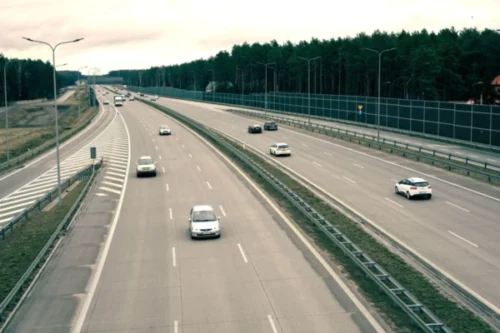
Vienas staigus stabdymas – masinė avarija: šią vasarą žalos keliuose jau viršijo 15 mln. eurų
Artėjant Žolinės savaitgaliui, vienu intensyviausių maršrutų taps automagistralė Vilnius–Kaunas–Klaipėda (A1). Tačiau šiemet keliaujantiems į pajūrį teks dalytis keliu ne tik su didesniu automobilių srautu – magistralėje vyksta intensyvūs remonto darbai, dėl kurių dalyje ruožų keičiasi eismo organizavimas, siaurėja eismo juostos ir ribojamas greitis. Šiemet „Via Lietuva“ dviejose pagrindinėse šalies transporto arterijose – Vilnius–Kaunas–Klaipėda (A1) ir […]
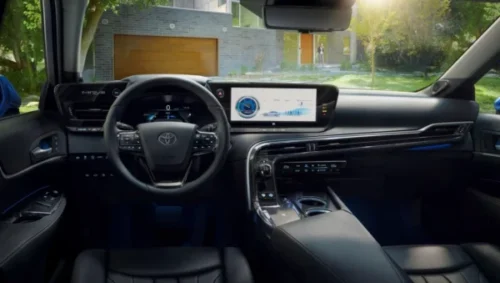
Ne tik dyzelis ar elektra: „Luminor“ finansavo vandeniliu varomą automobilį
Tvarūs transporto sprendimai versle šiandien neapsiriboja vien elektromobiliais. Nors jie vis dar sudaro didžiąją dalį tvaraus transporto finansavimo, bankai jau mato pirmuosius ženklus, kad įmonės ima domėtis ir kitomis alternatyviomis technologijomis. Apie tai, kodėl bankui svarbu būti partneriu verslui, diegiančiam inovacijas, pasakoja „Luminor“ banko Lizingo ir faktoringo departamento vadovė Dalia Mockė. Pasak ekspertės, verslo poreikiai […]

Šuo ant kelių, dėmesys nuo kelio: kuo pasirūpinti prieš kelionę su keturkoju
Vasarą į keliones dažniau leidžiamės ne tik su šeima ar draugais, bet ir su augintiniais. Vieni šunį sodina ant galinės sėdynės, kiti leidžia jam laisvai vaikščioti po saloną, o treti – įsitaisyti ant kelių. Iš pirmo žvilgsnio tai gali atrodyti kaip miela detalė, tačiau augintiniui netikėtai sujudėjus, išsigandus ar sureagavus į judesį už lango, kelionė […]

Pradėjo galioti 0 % muito tarifas JAV kilmės automobiliams
2026 m. birželio 27 d. ES pasiekė naują politinį susitarimą su Jungtinėmis Amerikos Valstijomis – šio susitarimo pagrindu Europos Sąjunga panaikino importo muitą reikšmingai daliai JAV kilmės pramoninių prekių, tarp jų ir automobiliams. Pasak advokatų kontoros WIDEN jaunesniojo teisininko Roko Jakšto, iki šiol ES taikė standartinį 10 % muito tarifą lengviesiems automobiliams iš trečiųjų šalių. […]
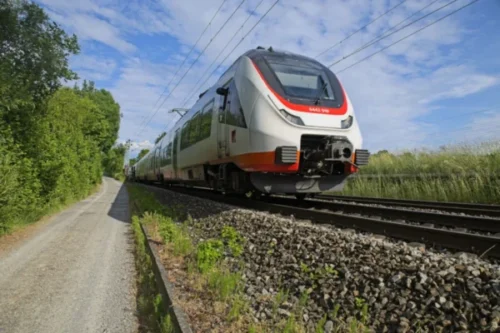
Skrydžiai, automobilis ar traukinys: kuris atostogų pasirinkimas iš tiesų draugiškiausias klimatui?
Prasidėjus atostogų sezonui daugelis planuoja išvykas į užsienį ar kaimynines šalis. Vis dėlto pasirinkta transporto priemonė gali turėti labai skirtingą poveikį klimatui. Europos aplinkos agentūros duomenimis, kelionės traukiniu daro gerokai mažesnį poveikį klimatui nei skrydžiai. Vertinant vienam keleiviui tenkančias šiltnamio efektą sukeliančių dujų emisijas, aviacija išlieka viena taršiausių keleivių transporto rūšių. Būtent todėl vis daugiau […]
Nuomojatės automobilį užsienyje? Patarimai, kurie padės sutaupyti laiko ir pinigų
Ryte – kava mažame Italijos miestelyje, po pietų – sustojimas prie kalnų ežero, o vakare – vakarienė pajūryje. Kelionės automobiliu suteikia laisvę spontaniškai keisti maršrutą ir atrasti vietas, kurių nerasite turistiniuose giduose. Kad tokia kelionė išliktų sklandi, verta iš anksto pagalvoti ne tik apie maršrutą, bet ir apie kelis praktinius dalykus – nuo daiktų saugumo […]


 Straipsniai

- Vienas staigus stabdymas – masinė avarija: šią vasarą žalos keliuose jau viršijo 15 mln. eurų
- Ne tik dyzelis ar elektra: „Luminor“ finansavo vandeniliu varomą automobilį
- Šuo ant kelių, dėmesys nuo kelio: kuo pasirūpinti prieš kelionę su keturkoju
- Pradėjo galioti 0 % muito tarifas JAV kilmės automobiliams
- Skrydžiai, automobilis ar traukinys: kuris atostogų pasirinkimas iš tiesų draugiškiausias klimatui?
- Nuomojatės automobilį užsienyje? Patarimai, kurie padės sutaupyti laiko ir pinigų